


General info
Akbük’s coastline curves gently around a wide, sheltered bay backed by pine-covered hills. Most beaches here are small, quiet bays rather than long crowded strips, with clear, usually calm water that is ideal for relaxed swimming. You will find a mix of sand, shingle and a few swimming platforms, plus low-key cafés and family-run pensions along the shore.
This guide focuses on the most practical questions visitors have: which beaches are best for families or strong swimmers, where you can manage easily without a car, what facilities to expect, and which nearby beaches are worth the extra journey if you want a change of scene.
This guide focuses on the most practical questions visitors have: which beaches are best for families or strong swimmers, where you can manage easily without a car, what facilities to expect, and which nearby beaches are worth the extra journey if you want a change of scene.
Akbük’s beaches are quite compact, so you can easily try several during your stay. Below you will find a quick overview of the main areas in and around the bay, with notes on beach type, water depth, facilities and how easy they are to reach. Distances are approximate and based on walking from the central seafront promenade.
Central Akbük public beach
Location: In the heart of Akbük, in front of the main promenade and many seafront restaurants.
Beach type: Narrow strip of sand and fine shingle with some sections improved with trucked-in sand. A few short piers and platforms for easier entry.
Water and depth: Shallow for the first few metres, then gradually deepens. Usually calm thanks to the sheltered bay, making it suitable for confident children under supervision.
Facilities: Sunbeds and umbrellas in front of beach clubs and cafés (paid), public showers in a few spots, changing cabins and toilets at certain beach sections. Plenty of places for snacks, ice cream and meals just across the promenade.
Access and parking: Flat and easy to reach on foot from most central accommodation. Limited street parking behind the seafront; fills up on peak summer evenings.
Seasonality: Livelier from June to September, especially weekends and evenings. Outside high season you may find fewer sunbeds but the area remains pleasant for walks and quick dips.
Beach type: Narrow strip of sand and fine shingle with some sections improved with trucked-in sand. A few short piers and platforms for easier entry.
Water and depth: Shallow for the first few metres, then gradually deepens. Usually calm thanks to the sheltered bay, making it suitable for confident children under supervision.
Facilities: Sunbeds and umbrellas in front of beach clubs and cafés (paid), public showers in a few spots, changing cabins and toilets at certain beach sections. Plenty of places for snacks, ice cream and meals just across the promenade.
Access and parking: Flat and easy to reach on foot from most central accommodation. Limited street parking behind the seafront; fills up on peak summer evenings.
Seasonality: Livelier from June to September, especially weekends and evenings. Outside high season you may find fewer sunbeds but the area remains pleasant for walks and quick dips.
Quieter eastern bay (family-friendly stretch)
Location: East of the central promenade, walking towards the residential complexes and small pensions on the way out of town.
Beach type: Pockets of sand and small-pebble shoreline with more space between cafés and buildings. Some stretches feel almost like little coves.
Water and depth: Generally shallow close to shore and gently sloping, with clearer water than in the busiest central strip. Good for relaxed floating and for children who are used to the sea.
Facilities: A mix of public areas and small beach cafés offering sunbeds, umbrellas and simple food. Fewer showers and public toilets than in the centre, so plan ahead.
Access and parking: Around 10–20 minutes on foot from the very centre, depending on where you start. Some on-street parking near residential buildings; usually easier to find a space here than right on the central promenade.
Seasonality: Busy in July and August but still much calmer than the main central beach. Outside peak weeks it often feels pleasantly quiet, especially on weekdays.
Beach type: Pockets of sand and small-pebble shoreline with more space between cafés and buildings. Some stretches feel almost like little coves.
Water and depth: Generally shallow close to shore and gently sloping, with clearer water than in the busiest central strip. Good for relaxed floating and for children who are used to the sea.
Facilities: A mix of public areas and small beach cafés offering sunbeds, umbrellas and simple food. Fewer showers and public toilets than in the centre, so plan ahead.
Access and parking: Around 10–20 minutes on foot from the very centre, depending on where you start. Some on-street parking near residential buildings; usually easier to find a space here than right on the central promenade.
Seasonality: Busy in July and August but still much calmer than the main central beach. Outside peak weeks it often feels pleasantly quiet, especially on weekdays.
Pine-backed coves towards Bozbuk side
Location: On the edges of the bay as you head out of Akbük in the direction of quieter holiday complexes and Bozbuk.
Beach type: Small, mostly natural-looking coves with pebbles or coarse sand and rocky edges. Pine trees and low hills create a more secluded, wild feel compared with the central seafront.
Water and depth: Often very clear, with sections that deepen more quickly. Great for confident swimmers who enjoy longer swims along the shore. Basic sea shoes can be helpful because of stones and occasional rocks.
Facilities: Limited. You may find a beach club or café in front of certain complexes, but there are also stretches with no organised sunbeds, showers or toilets. Bring water, snacks and shade if you prefer the wilder spots.
Access and parking: Best reached by car, taxi or dolmuş stopping near the larger complexes; walking from central Akbük is possible but hot and time-consuming in summer. Parking is usually on the roadside or inside complex parking areas where allowed.
Seasonality: Very quiet outside July and August. In high season, expect more day visitors at the better-known coves, while still feeling calmer than big resort towns.
Beach type: Small, mostly natural-looking coves with pebbles or coarse sand and rocky edges. Pine trees and low hills create a more secluded, wild feel compared with the central seafront.
Water and depth: Often very clear, with sections that deepen more quickly. Great for confident swimmers who enjoy longer swims along the shore. Basic sea shoes can be helpful because of stones and occasional rocks.
Facilities: Limited. You may find a beach club or café in front of certain complexes, but there are also stretches with no organised sunbeds, showers or toilets. Bring water, snacks and shade if you prefer the wilder spots.
Access and parking: Best reached by car, taxi or dolmuş stopping near the larger complexes; walking from central Akbük is possible but hot and time-consuming in summer. Parking is usually on the roadside or inside complex parking areas where allowed.
Seasonality: Very quiet outside July and August. In high season, expect more day visitors at the better-known coves, while still feeling calmer than big resort towns.
Local jetties and swimming platforms
Location: Scattered along the bay, especially near small pensions, apartment complexes and local fishermen’s spots.
Beach type: Concrete or wooden platforms with ladders into the sea, sometimes with a very narrow shingle strip or no true beach at all.
Water and depth: These spots usually offer direct access to deeper water, which can be excellent for strong swimmers and those who prefer to avoid walking over pebbles. Not ideal for toddlers or non-swimmers.
Facilities: Vary a lot. In front of cafés or pensions you may find sunbeds, simple food and drinks, and basic showers. Informal local jetties might have no services at all.
Access and parking: Often reached by short side streets from the coastal road or through small accommodation areas. Parking is usually informal on nearby streets; respect private property and local signs.
Seasonality: Some platforms are used mainly by residents and may feel almost empty outside high summer. In July and August they can be busy but still lower-key than big commercial beach clubs.
Beach type: Concrete or wooden platforms with ladders into the sea, sometimes with a very narrow shingle strip or no true beach at all.
Water and depth: These spots usually offer direct access to deeper water, which can be excellent for strong swimmers and those who prefer to avoid walking over pebbles. Not ideal for toddlers or non-swimmers.
Facilities: Vary a lot. In front of cafés or pensions you may find sunbeds, simple food and drinks, and basic showers. Informal local jetties might have no services at all.
Access and parking: Often reached by short side streets from the coastal road or through small accommodation areas. Parking is usually informal on nearby streets; respect private property and local signs.
Seasonality: Some platforms are used mainly by residents and may feel almost empty outside high summer. In July and August they can be busy but still lower-key than big commercial beach clubs.
If you are happy to travel a little, there are several well-known beaches within easy reach of Akbük.
Didim / Altinkum area (around 35–45 minutes by car, slightly longer by dolmuş): Long, sandy beaches with a livelier, more resort-like atmosphere, plenty of bars and water sports. Good if you want a change from quiet bays and do not mind crowds in peak season.
Smaller Aegean coves along the peninsula (30–60 minutes by car): As you drive towards the surrounding villages and headlands, you will find signposted coves and small beach clubs. Many have pebbly shores, clear water and wooden decks, often with a minimum spend for sunbeds.
How to get there: In summer, dolmuş minibuses typically run between Akbük and Didim/Altinkum; ask locally for the current timetable and last return. For more remote coves, a hire car or organised tour is usually the easiest option.
Who these trips suit: Visitors staying longer in Akbük who want a busier day out, families whose children like more activities, and couples keen to explore the wider Aegean coast before returning to Akbük’s quieter evenings.
Didim / Altinkum area (around 35–45 minutes by car, slightly longer by dolmuş): Long, sandy beaches with a livelier, more resort-like atmosphere, plenty of bars and water sports. Good if you want a change from quiet bays and do not mind crowds in peak season.
Smaller Aegean coves along the peninsula (30–60 minutes by car): As you drive towards the surrounding villages and headlands, you will find signposted coves and small beach clubs. Many have pebbly shores, clear water and wooden decks, often with a minimum spend for sunbeds.
How to get there: In summer, dolmuş minibuses typically run between Akbük and Didim/Altinkum; ask locally for the current timetable and last return. For more remote coves, a hire car or organised tour is usually the easiest option.
Who these trips suit: Visitors staying longer in Akbük who want a busier day out, families whose children like more activities, and couples keen to explore the wider Aegean coast before returning to Akbük’s quieter evenings.
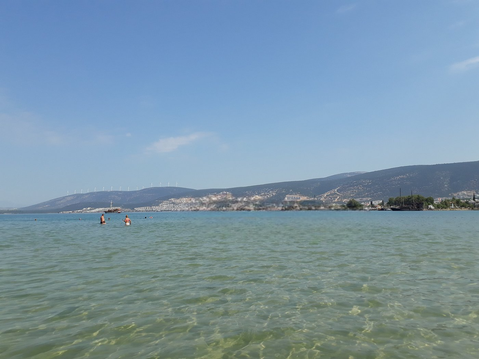
Location: Situated in the heart of the town, easily accessible from the town center and along the coastline.
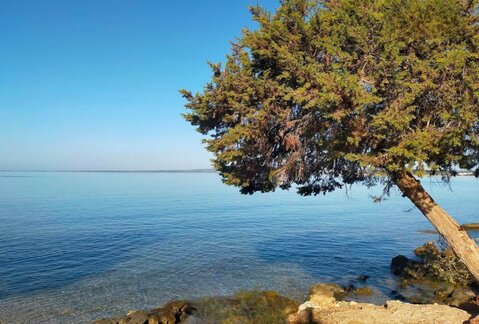
Celil Güven Koyu is a free public beach offering a calm and natural atmosphere.
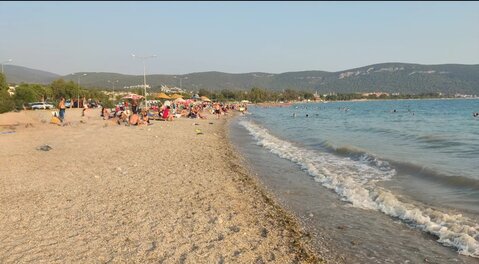
Gülkent Sahil Plajı is a peaceful beach in Akbuk.
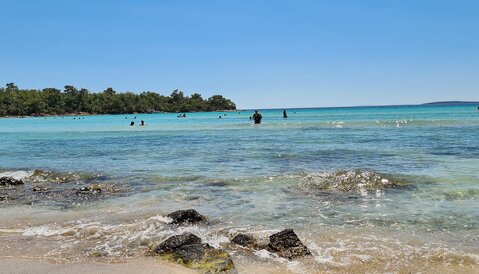
Haydar Beach, located outside Akbük.
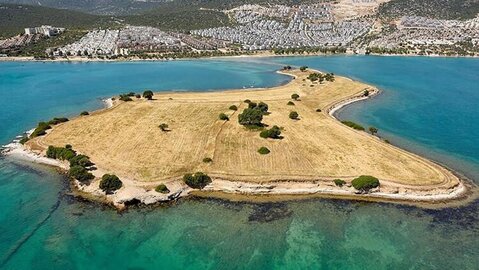
Saplı Island, formed by volcanic eruptions in the 1500s BC.
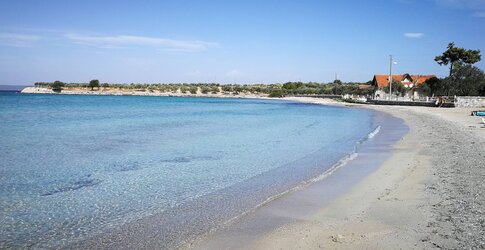
St. Pauli Beach Cafe (or St. Pauli Cafe Beach & Restaurant) is a beach club.
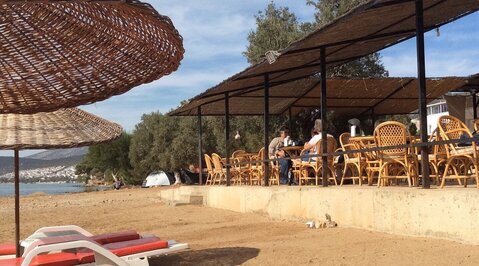
It’s a simple but welcoming place, known for its easygoing vibe good value drinks, and casual food options.
Sun and heat: Akbük can be very hot in July and August. Use high-factor sunscreen, wear a hat, and avoid the strongest sun around midday, especially for children.
Footwear: Simple sea shoes or sandals make walking over pebbles and using rocky entries much more comfortable, particularly at pine-backed coves and older jetties.
Water safety and flags: The bay is generally calm and suitable for relaxed swimming, but always check any local flag system or lifeguard advice where available. Avoid swimming far from shore when there are boats nearby and keep children within arm’s reach.
Marine life: You may occasionally see small fish and harmless jellyfish. Sea urchins can sometimes be found around rocks, another reason sea shoes are useful. Do not touch marine life and watch where you step.
Local rules and etiquette: Take your rubbish with you or use bins, keep noise reasonable on quieter stretches, and avoid leaving valuables unattended on the beach. In more natural coves there may be no bins, so bring a small bag to carry waste back with you.
Footwear: Simple sea shoes or sandals make walking over pebbles and using rocky entries much more comfortable, particularly at pine-backed coves and older jetties.
Water safety and flags: The bay is generally calm and suitable for relaxed swimming, but always check any local flag system or lifeguard advice where available. Avoid swimming far from shore when there are boats nearby and keep children within arm’s reach.
Marine life: You may occasionally see small fish and harmless jellyfish. Sea urchins can sometimes be found around rocks, another reason sea shoes are useful. Do not touch marine life and watch where you step.
Local rules and etiquette: Take your rubbish with you or use bins, keep noise reasonable on quieter stretches, and avoid leaving valuables unattended on the beach. In more natural coves there may be no bins, so bring a small bag to carry waste back with you.
| Beach / Area | Best for kids | Best shade | Strong swimmers | Snorkelling | Sunset views | No car needed |
|---|---|---|---|---|---|---|
| Central Akbük public beach | Yes – shallow entry and facilities | Some shade from umbrellas and promenades | Good for casual swims | Limited, mostly sandy bottom | Lovely evening colours over the bay | Yes – easy walk from most central stays |
| Quieter eastern bay | Yes – calmer vibe for families | Umbrellas plus some natural shade behind beach | Good for relaxed laps along shore | Better near rocky corners | Great for peaceful sunset strolls | Yes – 10–20 minutes on foot |
| Pine-backed coves towards Bozbuk | Only for confident older children | Natural pine shade in parts | Excellent – deeper, clearer water | Good around rocks and coves | Very scenic, more wild-feeling | No – easiest with car or taxi |
| Local jetties/platforms | No – sudden depth from ladders | Limited, mostly umbrellas | Very good for direct deep-water access | Varies by spot, usually near rocks | Nice if facing open bay | Varies – some are walkable |
| Didim / Altinkum beaches | Yes – sandy, with activities | Plenty of paid umbrellas | Good but busier water | Best away from crowded sections | Busy but colourful evenings | No – use dolmus or car |
Use this mini-guide together with the detailed descriptions above to choose the right spot for each day of your stay. For a first orientation, start with the central public beach and quieter eastern bay, then add a pine-backed cove or nearby day trip once you feel ready to explore.
If you are planning your whole holiday, you can return to the Home page for ideas on where to stay and eat, and check the Blog section for in-depth articles such as quiet bays around Akbük and easy day trips along the coast.
If you are planning your whole holiday, you can return to the Home page for ideas on where to stay and eat, and check the Blog section for in-depth articles such as quiet bays around Akbük and easy day trips along the coast.